Gerry Adams Denies IRA Role in High Court Bombing Liability Trial
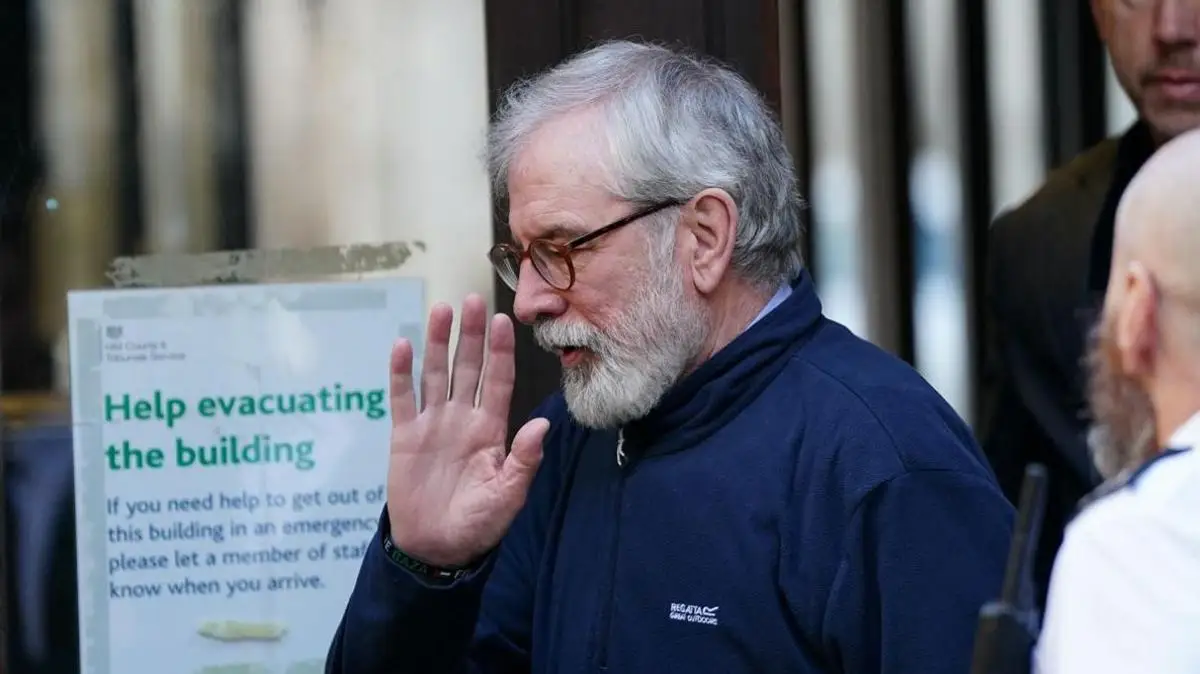
Three men injured in IRA bombings have sued former Sinn Féin leader Gerry Adams in London's High Court. John Clark was hurt in the 1973 Old Bailey explosion. Jonathan Ganesh suffered injuries in the 1996 Docklands bombing. Barry Laycock was wounded in the 1996 Manchester Arndale attack. The claimants seek one pound each in vindicatory damages and allege Adams served as a leading Provisional IRA member, including on its Army Council, at the times of the blasts.
Adams, aged 77, gave evidence over two days ending Wednesday before Mr Justice Swift. He stated he held no role or rank in the IRA and had no involvement in or prior knowledge of the bombings. Adams said he was stunned by the 1996 Docklands bombing, which ended an IRA ceasefire.
Sir Max Hill KC, representing the claimants, played a recorded interview by Brendan Hughes, an IRA officer commanding who died in 2008. Hughes and Adams were imprisoned together at Long Kesh in the early 1970s and met the day before Hughes's death. Hughes called Adams a major player in the war and said his IRA membership was widely known.
Adams rejected the claims. He said he and Hughes were good friends but denied they were IRA operatives together. Adams acknowledged his influence as a republican and Sinn Féin president from 1983 to 2018, which he used to shift from conflict to peace. He noted some IRA actions should never have occurred.
Hill referenced 1973 and 1977 An Phoblacht columns under the "Brownie" pen name from Long Kesh internees. The pieces described the writer as an IRA volunteer, married with a young son, matching Adams's situation. Adams attributed them to friend Richard McAuley, who edited contributions.
Edward Craven KC, for Adams, began closing submissions after Adams testified. Craven said evidence on who authorised the bombings is limited, with no page in the 6,000-page bundle implicating Adams. He described claimant witnesses' statements as high-level assertions without detail or documents.
The trial, in its seventh day, addresses whether claims filed in 2022 fall outside the three-year limitation period under 1980 legislation. Adams's team argues the action relies on hearsay and arrived decades late. Closing arguments continue before a judgment expected later.