Derry Air Quality Fails WHO Guidelines for Harmful Pollutants
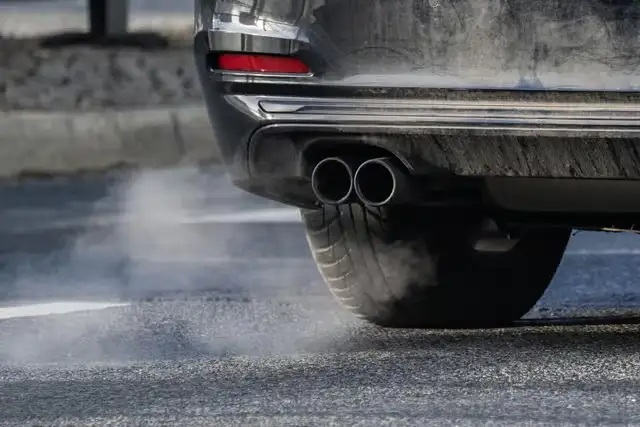
Air quality in Derry exceeded World Health Organization (WHO) recommended limits for fine particulate matter (PM2.5), nitrogen dioxide (NO2) and ozone in 2025, according to a Department of Environment, Agriculture and Rural Affairs (DAERA) report.
The Rosemount monitoring station recorded an annual mean PM2.5 concentration of just under seven micrograms per cubic metre, above the WHO guideline of five. A monitor at Dale's Corner in the Waterside recorded approximately 39 micrograms per cubic metre for NO2, far above the WHO target of 10. The report notes that the Dale's Corner station had low data capture (39%) and its annual mean should be treated as indicative only. A monitor in Dungiven also exceeded the WHO NO2 target, while Rosemount was the only site in the North that did not exceed the WHO annual mean guideline for NO2.
Ozone levels at Rosemount also failed to meet WHO limits. The station was not compliant with the WHO limit of 100 micrograms per cubic metre for the maximum daily 8-hour mean, nor with the WHO peak season guideline of 60 micrograms per cubic metre. However, it did meet the less stringent UK Air Quality Strategy target of not exceeding 100 micrograms per cubic metre on more than 10 days in the year, with eight exceedance days recorded.
Polycyclic Aromatic Hydrocarbons (PAHs) were monitored at four sites, including Brandywell, which recorded the highest level of the four with an annual mean concentration of approximately 0.5 nanograms per cubic metre for the carcinogenic compound benzo[a]pyrene. This breached the UK Air Quality Strategy objective of 0.25 nanograms per cubic metre but was under the less rigorous target of 1 nanogram per cubic metre under the Air Quality Standards Regulations (Northern Ireland) 2010. The report notes that three sites, including Brandywell, exceeded the more stringent AQS annual mean objective that was to have been achieved by December 31, 2012.
Across Northern Ireland, the report states that limit values, target values and corresponding UK Air Quality Strategy objectives were met for the majority of pollutants covered, with the exception of nitrogen dioxide. One roadside site exceeded the annual mean limit value for nitrogen dioxide, the first such exceedance since 2019.
DAERA notes that government statistics estimate air pollution in the UK reduces life expectancy by an average of 7-8 months, with an associated cost of up to £20 billion each year. The WHO has recognised air pollution as a risk factor for noncommunicable diseases such as ischaemic heart disease, stroke, chronic obstructive pulmonary disease, asthma and cancer.