Finucane family tells inquiry solicitor was killed in 'state-sponsored murder'
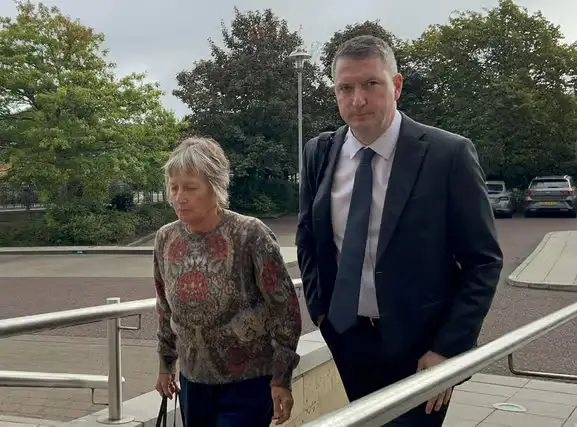
The family of murdered Belfast solicitor Pat Finucane has told a public inquiry that his killing was a state-sponsored murder and that the inquiry must establish how far up the chain of command the decision-making reached.
Finucane, 39, was shot at his north Belfast home in front of his wife and children by the Ulster Defence Association in February 1989.
In an opening submission on Tuesday, Danny Friedman KC, representing 21 members of the family, said Finucane was killed because he was an effective lawyer whose work posed an increasing challenge to the security forces. He said the family's starting position is that the murder was a product of institutional design rather than institutional failure.
The inquiry, chaired by Sir Gary Hickinbottom, opened earlier this year following a 2019 UK Supreme Court ruling that previous investigations had failed to meet Article 2 of the European Convention on Human Rights. Friedman said previous and current governments have admitted state agent involvement but have never established who was involved, what each did, or why security forces operated in this way.
A 2011 intelligence paper prepared for then prime minister David Cameron described the murder as "the big one" in terms of state collusion with loyalists, the inquiry heard. Cameron responded that it was "an awful case and as bad as it gets".
Another lawyer for the family, Séamus McIlroy, said Finucane was a fearless solicitor who was marked out as a target for representing republicans. He said loyalists were directly incited to kill Finucane by falsely portraying him as an IRA member, an allegation that previous investigations and police chief constables have said is untrue. McIlroy said the family believes Finucane would be alive today had he not been as good at his job.
A lawyer representing three former RUC officers who investigated the murder told the inquiry they have criticised the conduct of RUC Special Branch. Clair Dobbin KC said Johnston Brown, Trevor McIlwrath and Alan Simpson chose to speak out and are invested in the inquiry's ability to establish the truth.
Dobbin said Simpson, the detective superintendent in charge of the investigation, was not informed about the involvement of state agents, which prevented a proper investigation of their role. She said those who tell the truth may be at risk in the inquiry.
The inquiry continues on Wednesday.