Teen Challenge UK Seeks Planning Permission for First NI Residential Addiction Centre at Former Crumlin Guesthouse
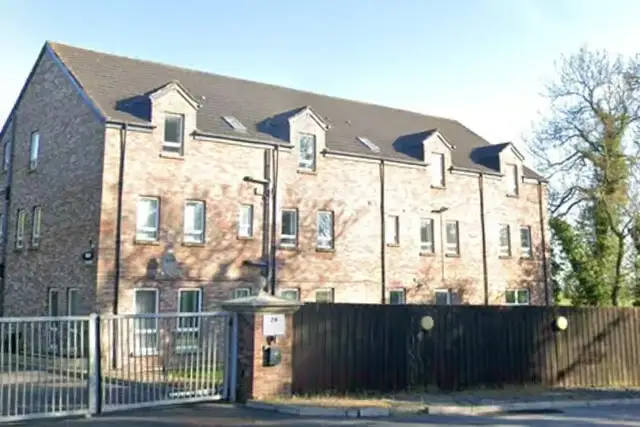
Teen Challenge UK has submitted a planning application to convert a vacant guesthouse at 26 Killead Road, Aldergrove, Crumlin, into a supported residential centre for people living with drug and alcohol addiction. The charity, which has over 40 years of experience running residential centres, currently has no facility in Northern Ireland.
The application states the centre would accommodate up to 24 residents at any one time, who would stay full-time for 11 months and follow a daily programme of physical and learning activities and counselling. Nine staff would be employed, with personnel on site 24 hours a day. No extensions or alterations to the existing building are proposed.
In a letter supporting the application, Phil Hills, chief executive of Teen Challenge UK, said Northern Ireland has a significant drug problem, with estimates of the annual cost of drug and alcohol misuse to the region at £1bn. He noted that Antrim and Newtownabbey Borough has the fourth highest number of drug-related deaths among Northern Ireland council areas and the third highest rate of alcohol-related hospital admissions. Mr Hills said the charity has received more than 250 applications from Northern Ireland since June 2024, placing significant pressure on its existing facilities in mainland UK.
A design and access statement submitted with the application said the rural location is essential to remove residents from proximity to the local community and access to substances. It added that the property owner had marketed the site for guesthouse and hotel operators for five years without interest, and that demand for airport accommodation is met by the existing Maldron Hotel and another hotel under construction at Airport Road and Antrim Road. The statement also said noise from Belfast International Airport would be mitigated through suitable glazing and ventilation.
Jonathan Patton, chair of the South Eastern Health and Social Care Trust, wrote a letter of support stating that a residential centre would provide time, structure, accountability, pastoral care, practical life skills and the opportunity for residents to rebuild their lives in a safe and supportive environment. He said a rural setting in County Antrim would be especially suitable as it can provide distance from harmful routines and pressures that often contribute to relapse, and could become a regional place of hope for all of Northern Ireland.
The charity expects the centre to be ready for operational use in or by spring 2027.