Lung cancer screening programme in doubt as Department of Health admits no timeline
The Department of Health has said there is no definitive timeline for fully implementing a targeted lung cancer screening programme in Northern Ireland, citing future health funding. A commitment in the December 2024 three-year health and social care plan had stated that, subject to additional funding, a new programme would be in place by April 2027.
The department has funded a Public Health Agency project team to assess the resources and funding required. Planning is due to begin in December 2026 and is expected to take around a year.
Lung cancer is the leading cause of cancer-related deaths in Northern Ireland, with about 1,370 diagnoses and more than 1,000 deaths each year, according to Queen's University Belfast figures. In 2022 the UK National Screening Committee recommended targeted screening across the four UK nations for people aged 55 to 74 at high risk, including current and former smokers. Screening uses low-dose CT scans to detect the disease before symptoms appear.
England has begun rolling out screening, with full national coverage expected by 2030. NHS England figures indicate nearly 13,000 lung cancers have been detected through the programme, about three-quarters at stage 1 or 2. Wales has announced a national programme with first invitations expected in 2028, while Scotland has been running pilots.
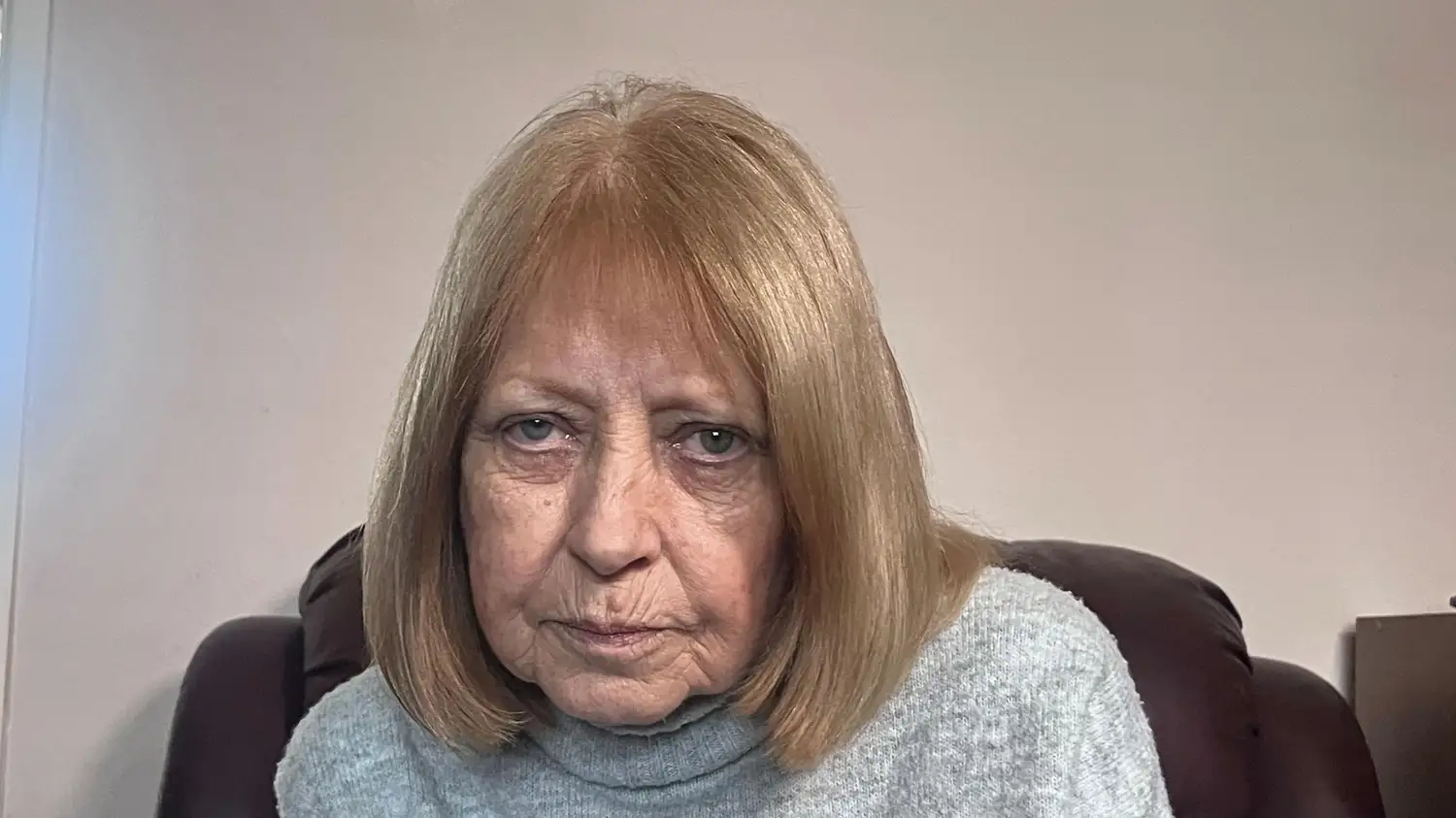
Joan McConville, 71, from Banbridge, was first diagnosed with lung cancer in 2023. The former teacher began smoking at 19 while studying in Belfast and said she became addicted to nicotine. She was admitted to Craigavon Area Hospital after several months of coughing and a severe coughing fit. A scan to check for a clot revealed a 3cm lesion in her right lung. Surgery removed the cancer, but it returned earlier this year, and scans showed it had spread to her lymph nodes and ribs. Surgery was no longer an option and she was recommended radiotherapy and chemotherapy.
McConville said she believed regular screening could have led to earlier treatment and surgery, potentially improving her outcome. She said many people underestimate the risks of lung cancer, and that screening would help make the danger clear to smokers at an early stage.
Respiratory consultant Wendy Anderson, who leads Northern Ireland's lung cancer network, said survival rates have improved year on year but remain poor. She said that when she first started as a consultant fewer than one in 10 patients survived five years, compared with around one in four now. She estimated screening could raise the proportion of people eligible for curative treatment from about 30% to 80%, potentially meaning an additional 100 people a year surviving lung cancer or avoiding it altogether. She added that screening could also improve outcomes for people from more deprived communities.
Anderson said reducing smoking rates remains the most important way to prevent lung cancer, and that stopping smoking also lowers the risk of other respiratory diseases, heart attacks and strokes.