DUP opposes two agriculture measures: ANC Bill redistribution and carbon audit penalties
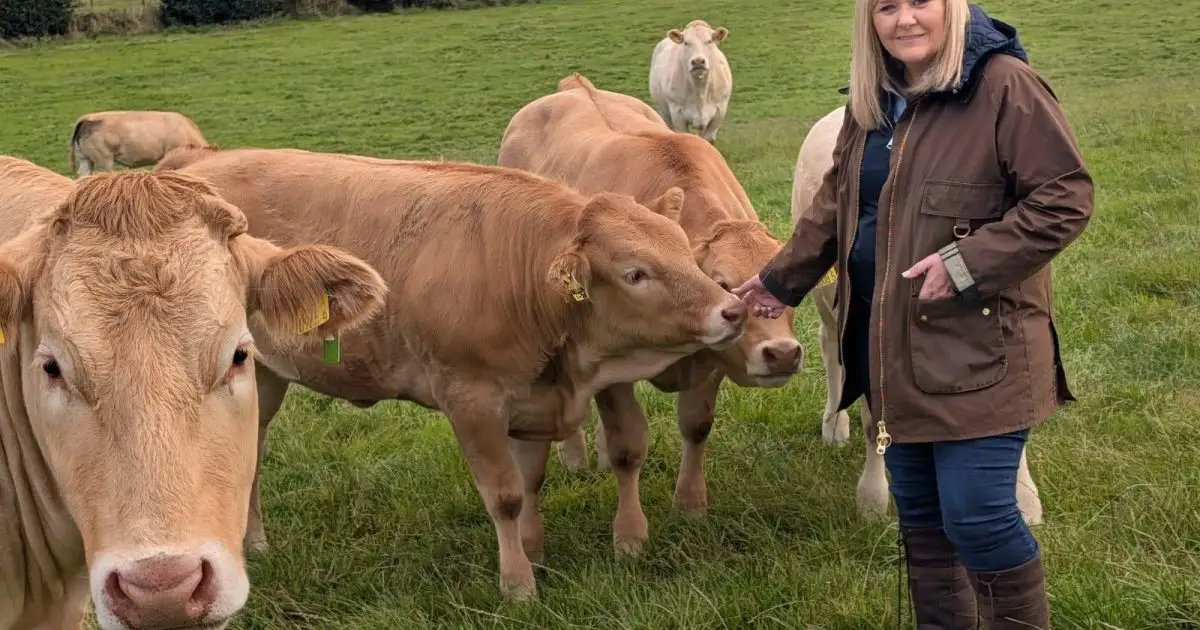
The Democratic Unionist Party's agriculture spokesperson, Michelle McIlveen MLA, has set out her party's opposition to two separate measures affecting farm support payments in Northern Ireland: Sinn Fein's Areas of Natural Constraint (ANC) Bill and the Department of Agriculture's proposed conditions linking carbon audits to Farm Sustainability Payments.
Speaking on the ANC Bill, which is before the Assembly's Agriculture Committee ahead of Consideration Stage, McIlveen argued the legislation would redistribute funds from lowland farmers to larger landowners in severely disadvantaged areas, without providing additional money for agriculture. She said the Department of Agriculture, Environment and Rural Affairs Minister has indicated funding would be found by top-slicing existing Farm Sustainability Payments.
McIlveen warned this would mean dairy farmers, cereal growers, and lowland beef and sheep producers could see their support reduced. She noted that a small suckler farmer in a disadvantaged area might receive about £10 more per acre, while large landowners could gain thousands of pounds annually. She called this a hierarchy within farming and questioned who the legislation was designed to help.
The DUP MLA also raised concerns about lobbying organisations attempting to widen the Bill's scope through amendments, which she said would increase the amount taken from existing payments without guaranteed additional funding. She noted that vegetable and cereal farmers in her Strangford constituency have had a difficult year with dry weather and poor prices.
McIlveen said the DUP supports fair and targeted assistance for farmers facing genuine disadvantages, but will not support a scheme that pits one section of the farming community against another or takes support from productive family farms.
Turning to the carbon audit regulations, McIlveen confirmed the DUP will oppose making participation in the Carbon Footprinting Project a condition of the Farm Sustainability Payment. Under the proposals, any farm business that has not registered and completed training by May 2029 would lose 10% of its payment, rising to 15% the following year and staying at that level until compliance.
McIlveen emphasised that the Climate Change Act requires carbon audits to be offered and fully funded, not made compulsory with penalties. She pointed to a funding gap: the project needs £15.5 million over four years, but only £1.72 million has been allocated this year, with no multi-year budget in place. She said the Minister is threatening to cut payments over a project he has not funded.
She also cited the burden of additional training and risk of technical non-compliance, on top of existing requirements like the Soil Nutrient Health Scheme and Bovine Genetics Project. She called for voluntary participation, properly supported, and urged the Minister to reconsider the regulations as drafted.