Dalradian Gold faces opposition over biodiversity errors and water concerns at public inquiry
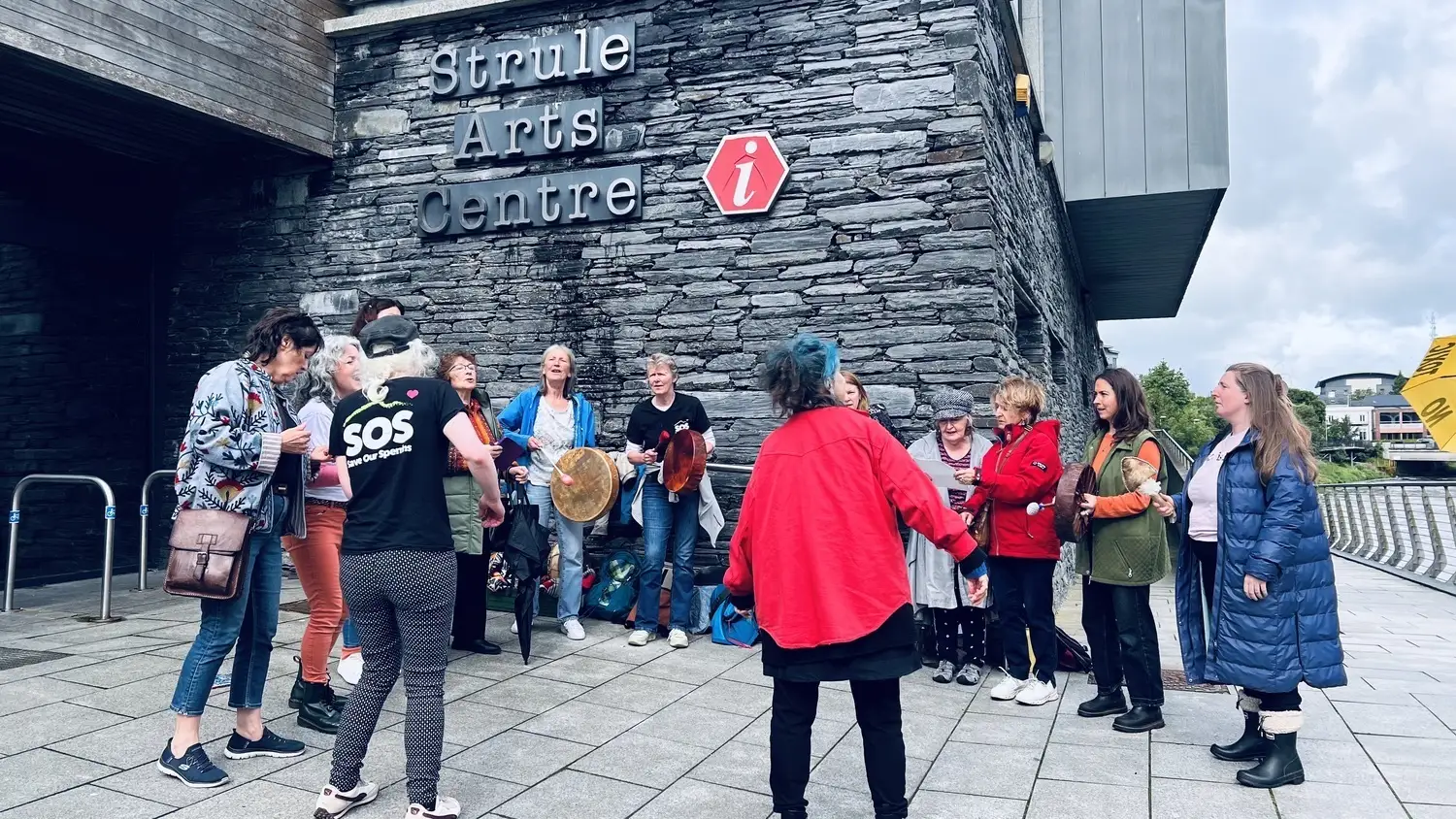
A public inquiry into Dalradian Gold's proposed mine in the Sperrin mountains has heard concerns about water pollution and biodiversity impacts. The inquiry, held at the Strule Arts Centre in Omagh, is examining the company's application to mine gold, silver, copper and other metals over a period of 20 years.
The Loughs Agency, a cross-border water preservation body established under the Good Friday Agreement, told the inquiry that the adverse impact on waterways is so great that the application cannot be lawfully permitted. Richard Honey, counsel for the agency, said approving the application in its current form would be unlawful. The agency identified deficiencies in Dalradian's submissions regarding waterways and protected species.
Dalradian plans to use 44,000 tonnes of ammonium nitrate explosives over the mine's lifetime, with nitrate residue from blasting potentially entering groundwater. Farmer Martin Tracey said nitrates would be washed into aquifers as soon as blasting begins, not 25 years later. The inquiry heard that water discharge applications include substances like lead, mercury and arsenic.
The Northern Ireland Environment Agency revealed that draft discharge parameters contained errors and would need to be redone. Liz Smyth, a principal scientific officer, said the data had inconsistencies across parameters. Despite the missing data, both the Department for Infrastructure and the agency wanted the inquiry to continue.
Concerns were also raised about radioactive material from the 1986 Chernobyl disaster that fell on Sperrin bogs. Peatland ecologist Lee Klinger said removing peat could mobilise the dormant contamination into waterways. Dalradian's expert Robert Hill said caesium-137 levels were too low to pose a regulated risk.
Dalradian acknowledged that biodiversity figures it submitted were incorrect. Barrister Conor Fegan, representing Fermanagh and Omagh District Council, said the council found the assertion of a net biodiversity gain difficult to reconcile with the company's own methodology. Dalradian's counsel Stewart Beattie said biodiversity net gain was not a legislative requirement in Northern Ireland.
Commissioner Jacqueline McParland is chairing the inquiry. It is considering a range of evidence from statutory bodies, the company, and third-party objectors including the campaign group Save Our Sperrins.