Northern Ireland represented at first UK terrorism victims day as Troubles Bill commitment reaffirmed
The first UK national day for victims and survivors of terrorism was held in London on Friday, with a Northern Ireland delegation present. The day seeks to recognise people affected by terrorism, including victims, their families, witnesses and emergency workers, and to raise awareness of specialist support.
Joanne Bunting, East Belfast DUP MLA and Junior Minister, represented Northern Ireland at the ceremony at Lancaster House. She said the new annual day must ensure those murdered are remembered with dignity and honour, and that survivors' experiences are not overlooked. She also said terrorism has no justification, must not be romanticised, and that innocent victims must remain at the heart of remembrance.
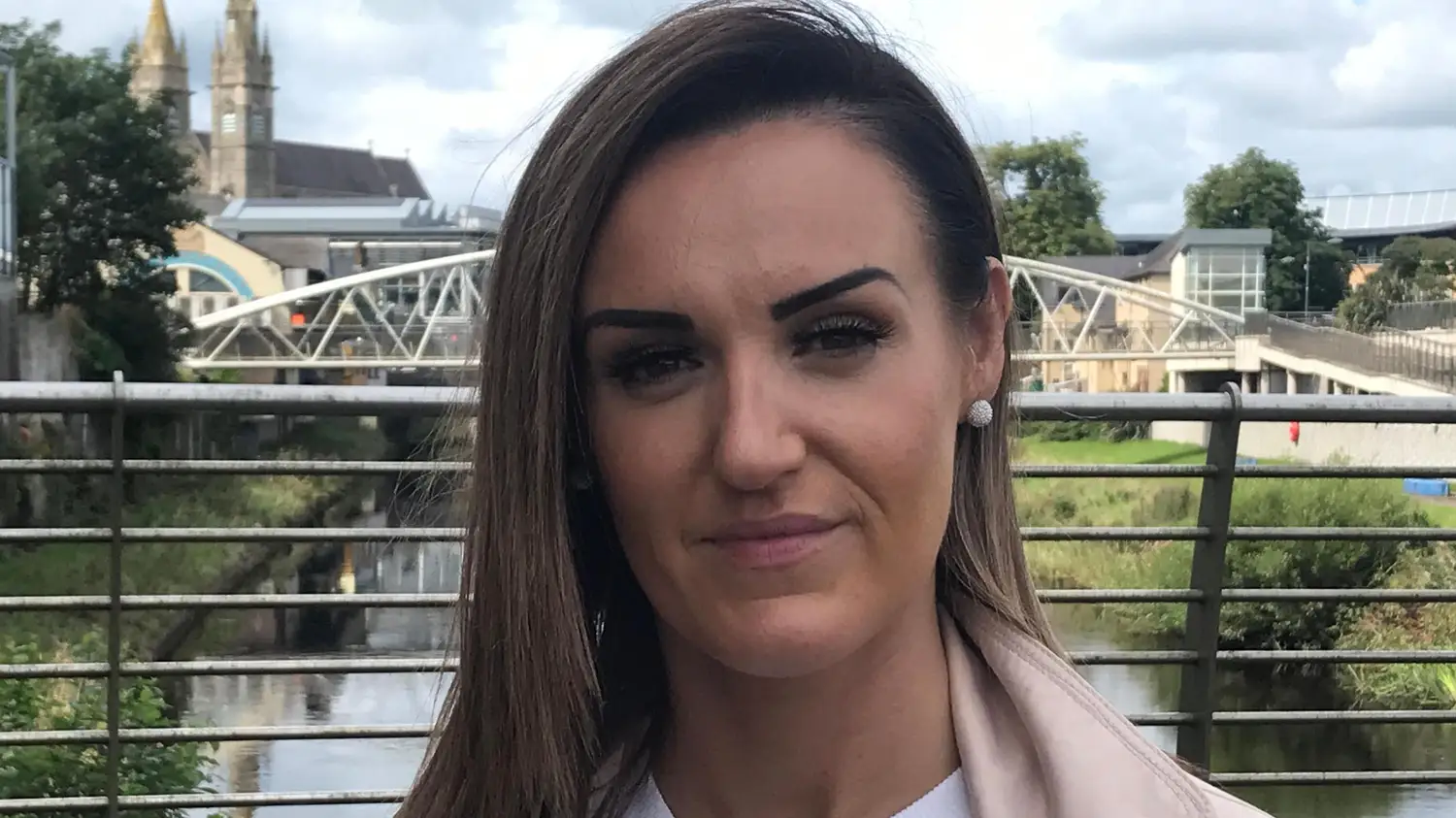
Claire Hayes travelled with the South East Fermanagh Foundation. Her brother Alan Radford was 16 when he was killed in the Omagh bombing on 15 August 1998, which killed 29 people, including a woman pregnant with twins. Hayes said the London event meant her brother was recognised as more than a statistic and that his life mattered. She said she had campaigned for the commemoration for years and questioned why Stormont ministers had not provided a local day to mark victims. She suggested some in Stormont wanted to avoid addressing what happened in Northern Ireland and that the UK event could add pressure. She also called for more education in Northern Ireland schools about the impact of terrorism on victims.
Tanya Williams-Powell, whose grandfather Thomas Niedermayer was abducted from his west Belfast home in December 1973 and later murdered by the IRA, said victims were the most important in remembrance. She said there was often more interest in why a perpetrator carried out an attack and that violence could be glorified. She urged teaching history honestly so young people do not continue violence.
PSNI Chief Constable Jon Boutcher said the national day provides an opportunity to remember those killed and injured, and to recognise the enduring impact of terrorism. He noted that his Kenova report recommended introducing a Day of Reflection on the longest day of the year for victims and survivors in Northern Ireland. He said such a day allows remembering, recognising and reflecting on the consequences of terrorism and the value of peace.
Secretary of State Chris Bryant said Northern Ireland had experienced as much pain as any place and that he was inspired by the fortitude of victims, survivors and bereaved families. He said the UK stood with them and would remember the past honestly and work to keep people safe.
Separately, Bryant said the government remained fully committed to the Northern Ireland Troubles Bill and would progress it through Parliament as soon as possible. He made the statement after meeting victims' groups in Northern Ireland, including WAVE, the Victims and Survivors' Forum, SEFF, Victims' Commissioner Joe McVey and Veterans Commissioner David Johnstone. He also held a roundtable with veterans and visited the RUC Memorial Garden. Bryant described the Bill as the final opportunity to properly address legacy issues, and said he wanted it to help as many people impacted as possible and to command confidence among those affected, including those who served to protect law and order.
The Northern Ireland Troubles Bill was introduced by previous secretary of state Hillary Benn, replacing the Northern Ireland Troubles (Legacy and Reconciliation) Act 2023, aspects of which were held incompatible with human rights protections. It includes a reformed Legacy Commission that can investigate cases while still allowing for criminal and civil accountability. The Home Office said people across the UK could mark the national day at home with a moment of reflection and posts on social media; the in-person event was in London for its first year.