Legacy Commission Reveals Irish Authorities Ignored Over a Dozen Information Requests
The Independent Commission for Reconciliation and Information Recovery has revealed that Irish authorities have failed to respond to more than a dozen requests for information, the commission’s investigations lead has told a Stormont committee.
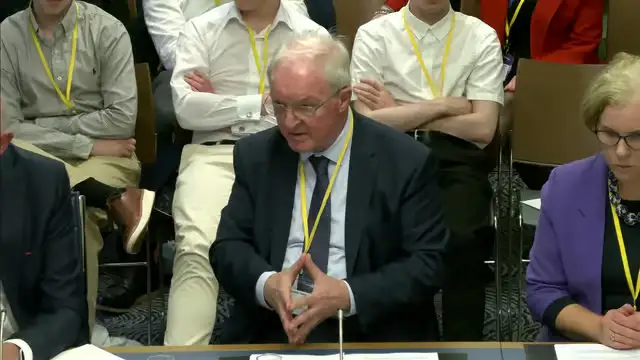
Peter Sheridan, a former assistant chief constable of the PSNI, said he had sent 11 or 12 letters seeking details for Troubles-related murders with cross-border elements. While he believed there was no reluctance from gardaí themselves, a political issue was blocking replies.
Chief commissioner Sir Declan Morgan confirmed the Irish state had not committed to providing information, meaning some cases had not been brought to the commission. He told MLAs new Irish legislation intended to enable cooperation would not be laid before the Dáil until the UK’s legacy bill is passed.
Members of the Executive Office committee from unionist parties criticised the Irish government. Independent MLA Doug Beattie said a planned Garda Legacy Unit would only pass on redacted information and not carry out investigations. DUP member Deborah Erskine stated there is no legal impediment to helping victims, describing the position as a political judgment. UUP leader Jon Burrows noted that Dublin had historically declined 97% of extradition requests for terrorist suspects during the Troubles. Timothy Gaston of the TUV said the lack of response indicated a lack of commitment to truth and accountability.
The Irish Department of Justice responded that a joint framework agreed in September 2025 provides for “fullest possible cooperation” with a reformed legacy commission, once established. It said legislative proposals were published last week and minister Jim O’Callaghan intended to act quickly after the UK bill passes.
The Northern Ireland Office said it was aware the missing information was delaying investigations and encouraged interim arrangements in light of the Dillon judgment, which found the commission capable of conducting effective inquiries. It described this as a matter for the Irish government.
The committee also heard that the commission has only half the funding it needs and is in discussions with the Treasury. Sir Declan told members the body required additional powers.
The resignation of armed forces minister Al Carns last week, who publicly cited opposition to the legacy bill as a reason for leaving, has added uncertainty to the legislation’s return to Parliament.
Among the cases held up are the 1979 Narrow Water attack, the 1974 M62 coach bombing, the 1990 murder of James and Ellen Sefton in west Belfast, and the 1981 killing of Eric and Desmond Guiney on the Antrim Road.