Under-16 social media ban to take effect in Northern Ireland by spring 2027
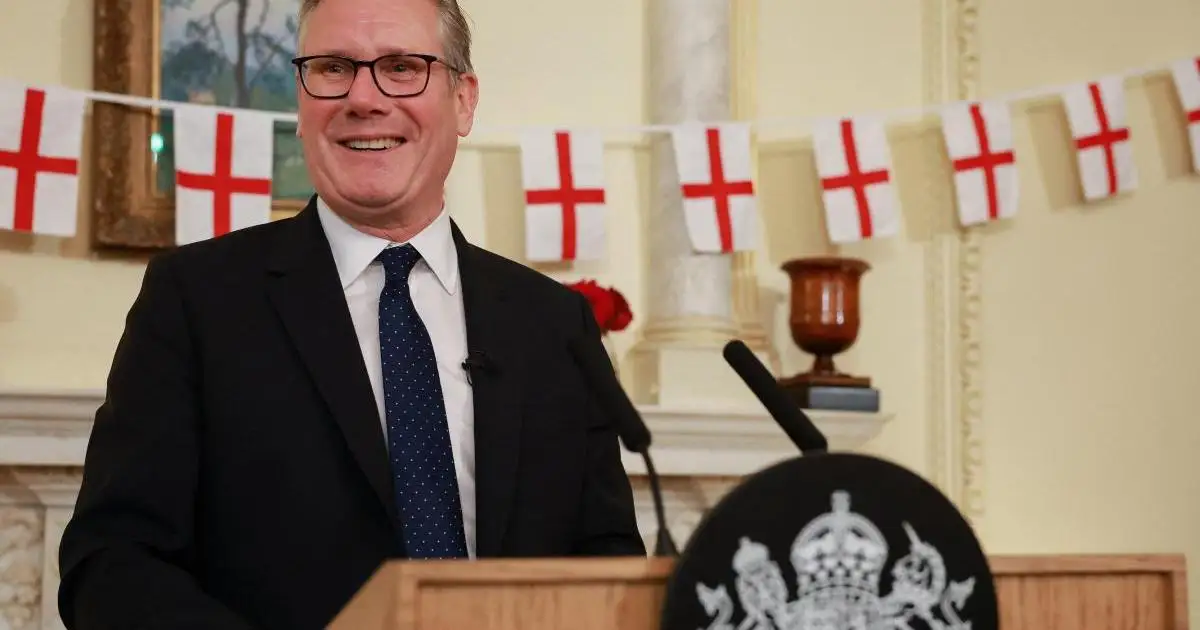
Children in Northern Ireland will be prohibited from accessing major social media platforms under new UK-wide rules set to come into force by spring 2027. Prime Minister Keir Starmer announced the ban on June 15, saying it was necessary to protect young people's wellbeing and mental health.
The restrictions will cover TikTok, Instagram, Facebook, Snapchat, X, YouTube, Reddit and Threads. Messaging services such as WhatsApp and Signal are not included. The government also plans to stop under-16s from communicating with strangers on gaming and livestreaming platforms, and will require default safety settings for 16 and 17-year-olds. Overnight curfews and limits on infinite scrolling for under-18s are under consideration.
Artificial intelligence chatbots designed for romantic or sexual interaction will require users to be at least 18. The measures follow a public consultation that drew about 116,000 responses, with 91 percent of participating parents supporting a minimum age of 16 for social media access.
Northern Ireland Education Minister Paul Givan described the ban as a profound change that he believed could work. Speaking to BBC Radio Ulster, he said the harm from social media far outweighs any benefits and noted the positive impact of mobile phone inhibiting devices trialled in nine local post-primary schools. A full evaluation of that pilot is expected this month.
Dr Claire Sinton, a paediatrician and member of the group Smartphone Free Childhood in Derry, said social media platforms were entirely unsuitable for children and called the ban a win for parents and campaigners. SDLP leader Claire Hanna MP also backed the move, saying social media had become an online wild west and that meaningful intervention was long overdue.
However, Ulster University cybersecurity expert Professor Kevin Curran called the ban a blunt instrument that would drive children toward less regulated spaces. Alliance MLA Michelle Guy, chair of the Assembly's All-Party Group on Online Safety, said while action was needed, many questions about enforcement and unintended consequences remained unanswered.
Technology companies have expressed doubts. Meta, the owner of Facebook and Instagram, warned that bans risk isolating teenagers and pushing them to unregulated apps. YouTube said such moves could steer children away from supervised, beneficial content.
Pupils at Malone Integrated College in Belfast offered mixed views. One 15-year-old said social media should be improved, not completely blocked, highlighting educational uses like coding tutorials. Another pointed out that young people would likely find workarounds using virtual private networks.
The government intends to pass regulations before the end of the year, with the ban becoming enforceable in early 2027. Technology firms will be liable for compliance, and Ofcom has been asked to examine effective age verification methods.