Inquest Hears Contradictory Psychiatric Assessments of Teen Who Drowned in Storm Drain
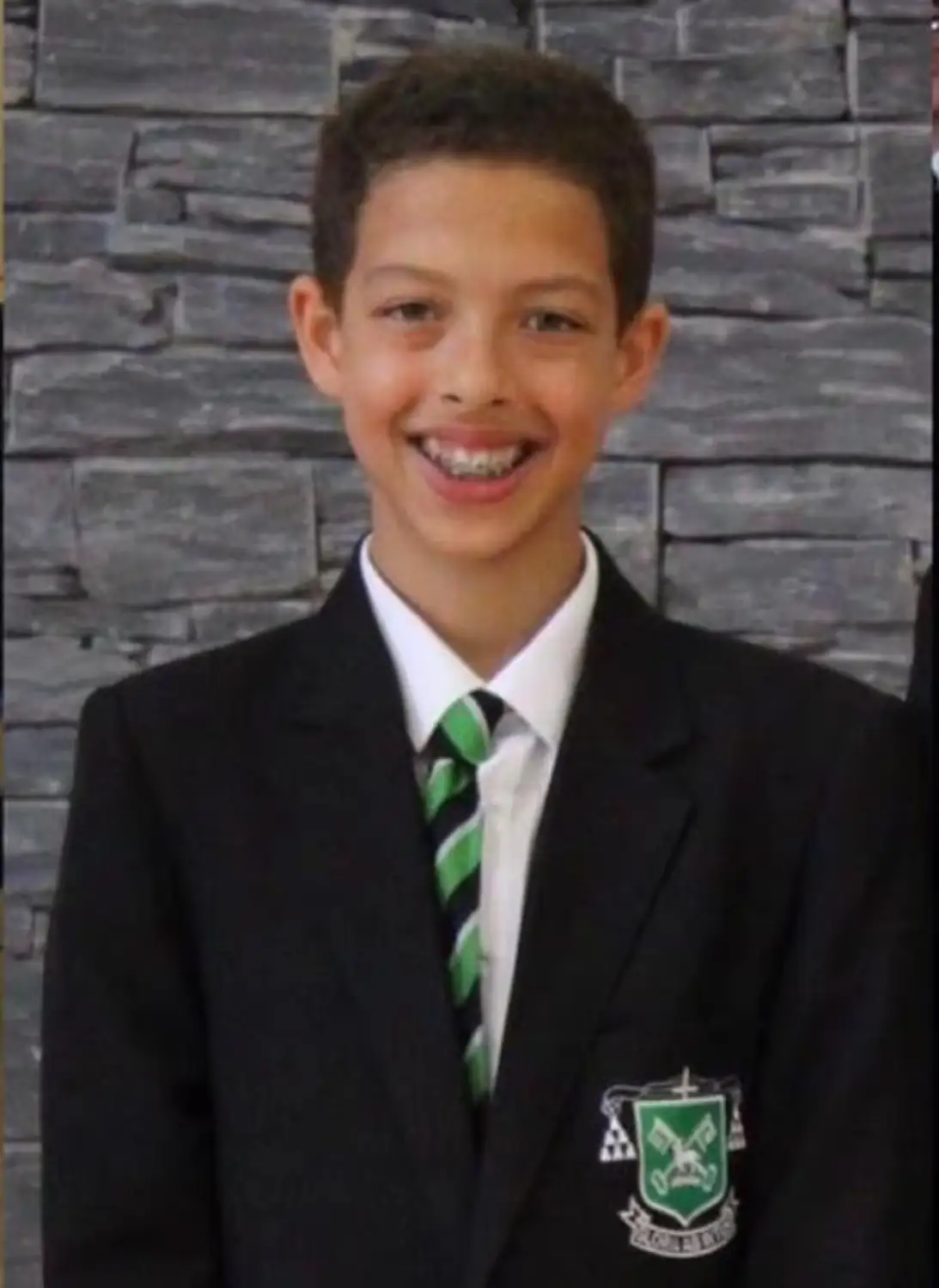
Belfast Coroner’s Court received sharply differing psychiatric opinions on Monday about the state of mind of Noah Donohoe, the 14-year-old boy who drowned in a north Belfast storm drain in June 2020. The inquest, sitting with a jury in its 19th week, also heard an expert witness for the Department for Infrastructure (DfI) respond to questions about his objectivity after disclosure of his former firm’s financial relationship with Stormont.
Noah left his south Belfast home on the evening of 21 June 2020, intending to meet friends at Cavehill. CCTV later showed him cycling along York Road, with the last sighting on Northwood Drive. Police believe he entered a culvert on the Premier Drive stream. His naked body was found on 27 June approximately 600 metres further inside the tunnel, at a Northern Ireland Railways depot. A post-mortem examination determined the likely cause of death was drowning.
A written statement from Dr Louise Bowers, a forensic psychologist, set out the possibility that Noah had lost contact with reality and was in a psychotic state as he travelled through the city. Dr Bowers described a sequence of unusual behaviour: he discarded his rucksack and laptop, then his clothing, before he was last seen cycling naked. The psychologist noted something ritualistic in how he shed his possessions and observed that religious or philosophical themes can appear in delusions. She acknowledged that a first psychotic episode in a 14-year-old is extremely rare and would typically develop less abruptly, but symptoms can include hallucinations and confused thinking.
The court heard that Noah had been a well-adjusted boy with no history of mental health difficulties or self-harm. In the days before his disappearance, his mother Fiona Donohoe reported he had become weepy, introspective and emotionally demanding, and was awake at night searching for material with dark themes. He carried a copy of the self-help book 12 Rules for Life by Jordan Peterson, which Dr Bowers said had a profound impact on him. She concluded it was possible Noah was experiencing depressive symptoms before he vanished.
Contrasting evidence came from consultant psychiatrist Dr Seena Fazel. His first statement in November 2021 said Noah’s death was likely suicide. After reviewing more than 700 pages of additional material, including an interview with Ms Donohoe and testimony from Noah’s friends, Dr Fazel revised his view in a March 2026 statement. He now sees no psychiatric explanation for the disappearance or death. Changes in Noah’s mood were probably not consistent with an acute depressive episode, and Noah had no diagnosable mental health conditions before going missing, he concluded.
The court also examined the impartiality of Jeremy Benn, a hydrologist and engineer instructed by the DfI as an expert witness. Barrister Brenda Campbell KC, representing Ms Donohoe, had previously highlighted JBA Consulting’s long working relationship with the department. On Monday, the inquest learned JBA Consulting earned more than £120,000 from DfI contracts since 2016, with £47,214 in the 2025/26 financial year. Mr Benn agreed the sums were modest and stated the income would not affect his ability to give independent evidence. He stepped down as executive chair of the company three months ago.
Mr Benn told the jury the culvert was rated medium risk, not high risk, because hazards were considered unlikely. He accepted that designers must account for what is reasonably foreseeable, and it was reasonably foreseeable that someone could access the area around the culvert entrance, which features concrete steps and metal bars. He distinguished between the inlet zone, which is not a confined space, and the culvert itself, a confined space with different hazards such as falling through the bars or striking one’s head on steel. Mr Benn agreed it was not inevitable a person entering the inlet would proceed into the culvert, and stressed risk assessments should not extend to very remote or hypothetical scenarios.