Drumcree standoff: Hundreds block Garvaghy Road as legal battle leaves Orange Order unable to march
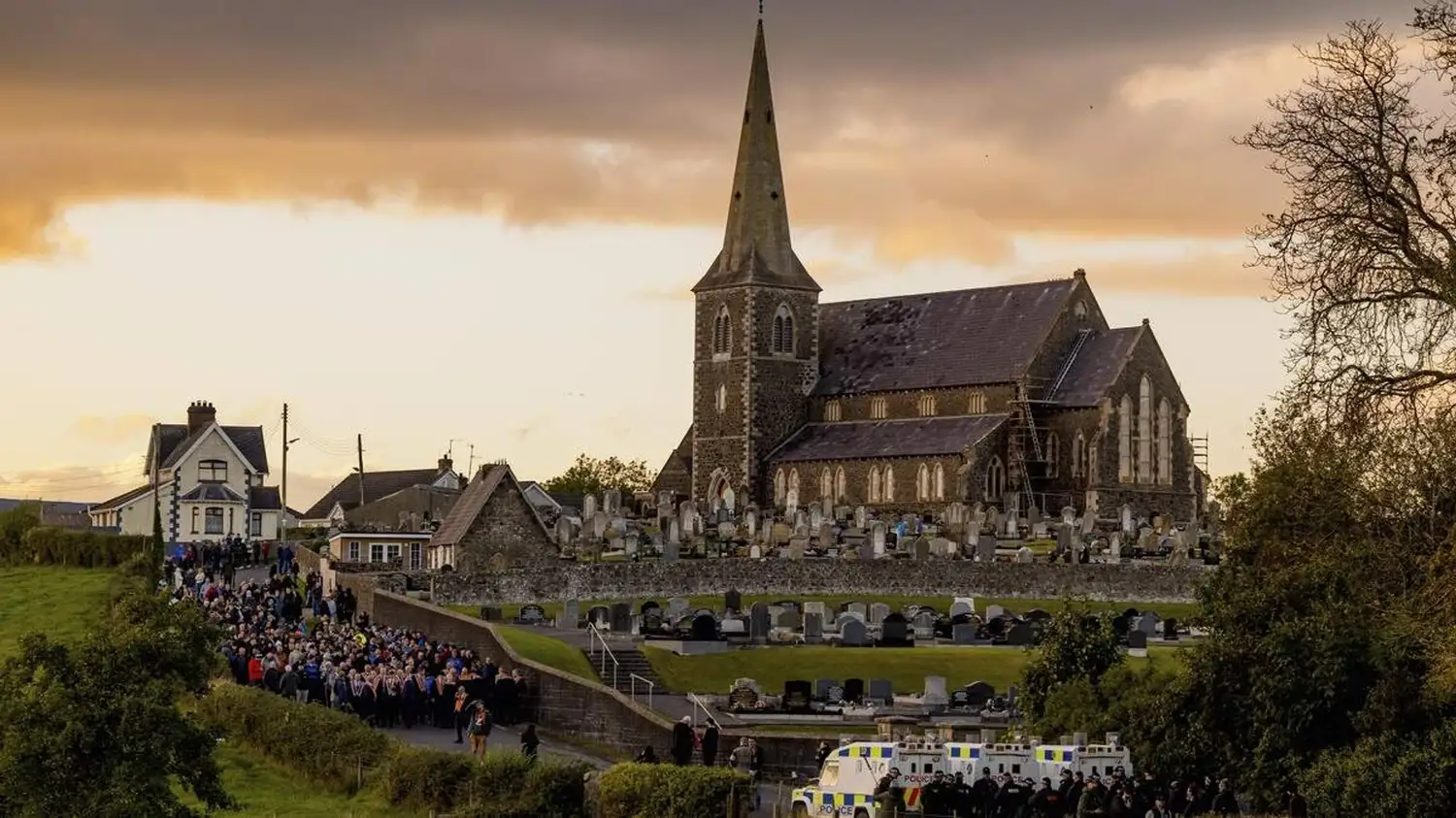
Hundreds of people blocked the Garvaghy Road in Portadown on Sunday, preventing an Orange Order parade from proceeding after a late-night court ruling upheld a Parades Commission decision allowing the march for the first time in almost 30 years.
The standoff followed a series of legal challenges that ended at 2.15am when the High Court dismissed an appeal by the Garvaghy Road Residents' Coalition, leaving a determination by the Parades Commission in place. The ruling permitted a scaled-back parade of 35 members, without bands or supporters, to walk silently along the road at 8am, but the route remained blocked by protesters.
First Minister Michelle O'Neill joined the protest and called on those present to stay until at least midnight. She said the situation brought into question how the peace process works and claimed residents deserved to live free from sectarian harassment. DUP leader Gavin Robinson accused O'Neill of breaking the law and failing to uphold her pledge of office, saying her duty was to support lawful decisions rather than oppose them.
Northern Ireland Secretary Chris Bryant travelled to Belfast from the Labour Party conference in Liverpool and urged all sides to seek compromise. He said it was not his role to determine whether anyone had broken the law, but that politicians should use careful language. Chief Constable Jon Boutcher said police were gathering evidence of offences and managing a challenging operation.
The Orange Order had applied more than 1,000 times over 28 years to complete its traditional route from Drumcree Parish Church to Carleton Street Orange Hall. Since 1998, the Parades Commission had refused all such applications. In June, a High Court judge found that a refusal had been made without proper procedure, leading to a fresh determination that granted permission with restrictions.
The dispute over the parade route dates to the mid-1990s, when it sparked riots, roadblocks and murders across Northern Ireland. On Sunday, police vehicles lined the roads and officers used loudspeakers to warn protesters that they were committing an offence. The march did not take place by the end of the day, with Orangemen remaining at the church and protesters maintaining their blockade.