Northern Ireland journalists suspect police surveillance, study finds
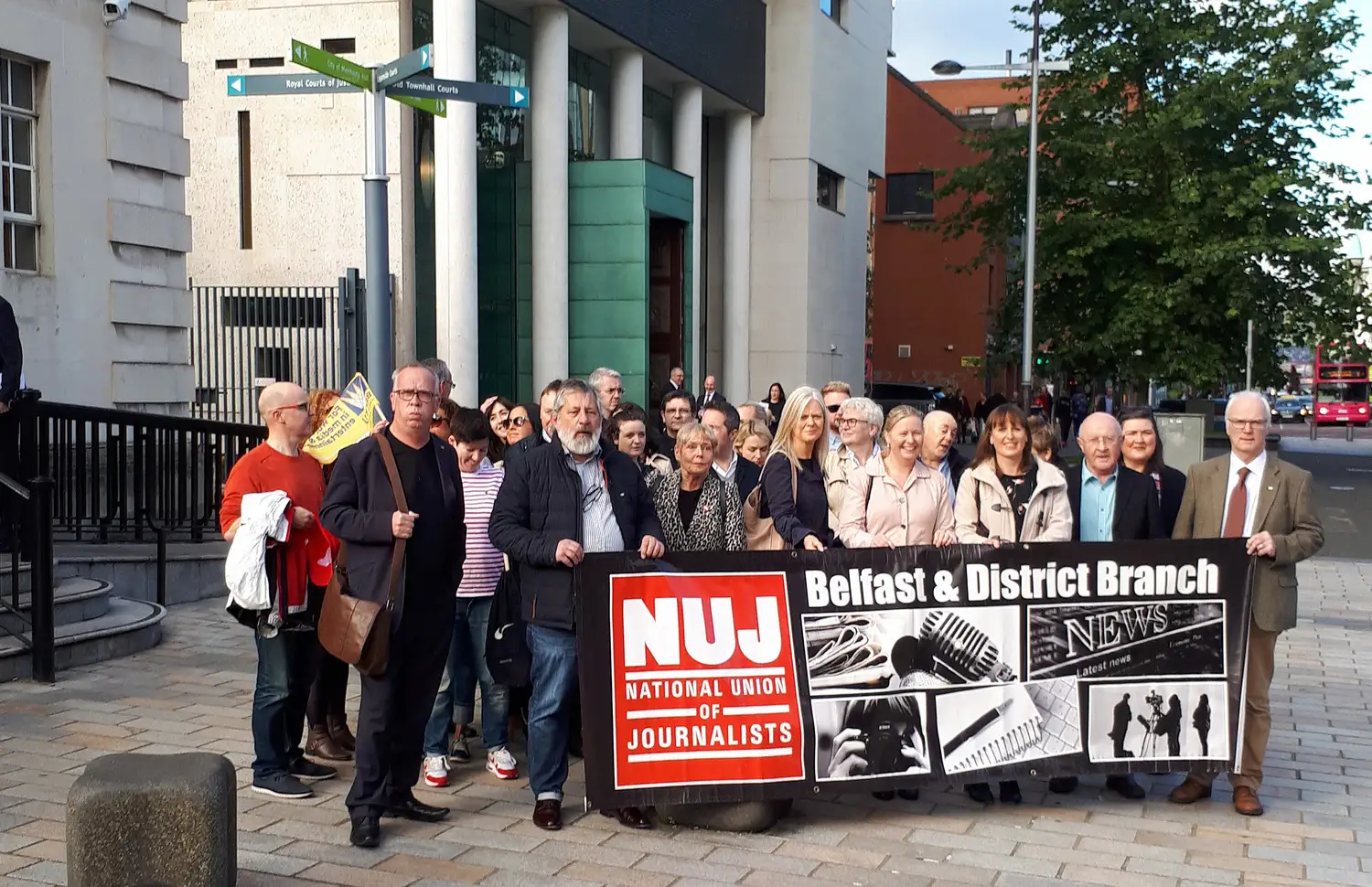
A new study of crime and security journalism has found that every Northern Ireland journalist interviewed suspected they had been subject to police surveillance.
The study, funded by Research Ireland and carried out with the Irish Council for Civil Liberties, interviewed 23 journalists across Ireland who have significant experience reporting on crime and security.
All participants based in Northern Ireland said they were skeptical that the Police Service of Northern Ireland would respect their need to protect confidential sources.
Many of those journalists cited the 2018 police searches of journalists Trevor Birney and Barry McCaffrey as a turning point, after which they no longer assumed that policing had fully normalised following the Good Friday Agreement.
The study also found high levels of trust in the courts among Northern Ireland journalists. Participants said they believed the courts would protect them against police efforts to identify confidential sources.
Several journalists based in Northern Ireland said that, based on their own newsroom observations, aspects of journalism there had been infiltrated by British intelligence services in the pre-Good Friday Agreement era. They said sources who spoke to journalists on a confidential basis likely had their identities shared with British intelligence at that time.
The report says all participants described policing in Ireland as secretive, closed to scrutiny, and reluctant to share information.
Despite these concerns, all participants based in Northern Ireland said they would be willing to go to prison to protect confidential sources. However, many fear that ongoing state surveillance and economic pressures in journalism may undermine their democratic role.