Oil Price Decline Brings Relief to Northern Ireland's Heating Oil Users
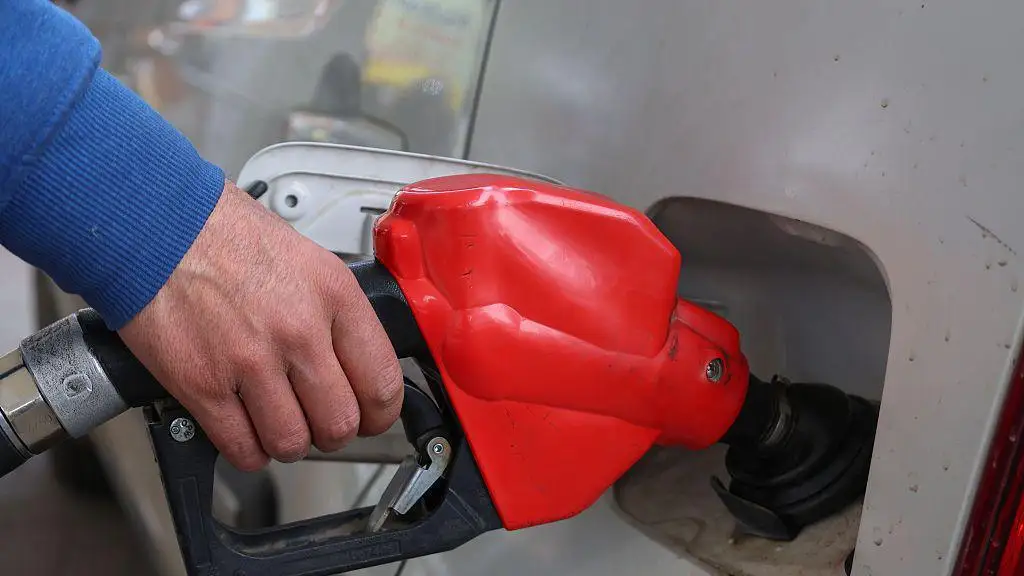
The sharp fall in global oil prices over the past fortnight has brought an immediate benefit to households in Northern Ireland, where around two-thirds of homes rely on heating oil. The cost of 500 litres dropped to £348, down from a peak of nearly £630 in mid-April, according to figures from the Consumer Council.
The spike in energy costs followed the US and Israeli military strikes on Iran that began on 28 February, and Iran's subsequent closure of the Strait of Hormuz, a vital transport route for Gulf oil and gas. The resulting supply constraints caused a rapid rise in global energy prices, which fed through to local markets.
The economic impact was quickly felt. Business activity in Northern Ireland effectively stalled in April and contracted sharply in May, suffering its steepest monthly decline since December 2022, as recorded by the Ulster Bank growth tracker. Local firms registered the weakest performance of all 12 UK regions, and for the first time in nearly three years they were, on balance, pessimistic about future growth prospects.
The slowdown came after a robust start to the year. The Northern Ireland Composite Economic Index indicated that the local economy reached a historic peak in the first quarter, growing by 0.7 per cent compared to the final quarter of 2025 and by more than 3.5 per cent year-on-year. The services sector, particularly business services, drove the expansion, while the hospitality industry saw output fall amid rising costs.
Employment figures suggested a mixed picture. HMRC data showed the number of people on company payrolls stood at just over 819,000 in February, a year-on-year increase of more than 10,000. But payroll numbers dipped in March before edging just above 820,000 in April and May, and pay growth stalled.
An interim deal between the United States and Iran has since led to a partial reopening of the Strait of Hormuz, helping oil prices retreat to pre-crisis levels. In response, Stormont ministers agreed a £100 heating oil payment for around 340,000 households at a cost of £36 million. If prices stay low, the initiative could act as a modest windfall for some families and support high street spending.
However, economists caution that higher energy costs will continue to filter through the economy. The Dublin-based Economic and Social Research Institute warned that increases in fuel and fertiliser costs typically take about nine months to translate into higher food prices, meaning grocery bills are likely to rise through the autumn and winter.