UDA leader Jackie McDonald ousted as south Belfast brigadier
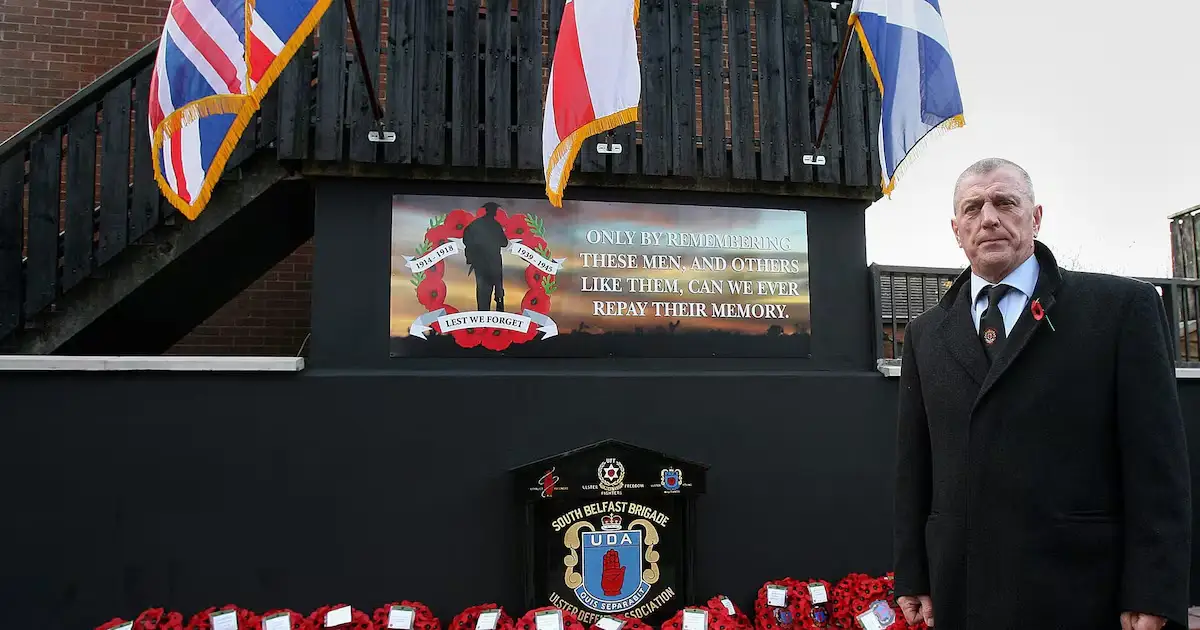
Jackie McDonald has been removed as the Ulster Defence Association's south Belfast brigadier, a position that made him the public face of the loyalist paramilitary group. The ousting follows accusations of an inappropriate relationship with an adult woman half his age.
McDonald, 79, had been a central figure in the UDA since joining in July 1972, in the immediate aftermath of the Provisional IRA's Bloody Friday bombings in Belfast. In 1989 he was sentenced to 10 years in prison for extortion. He was generally regarded as the de facto leader of the illegal organisation and presided over its transition from the Troubles to the peace process.
He was a frequent attendee at Irish government events in Belfast and had friendships with prominent figures, including former president Mary McAleese. He also publicly opposed drug dealing, telling loyalists at a Remembrance Sunday event on Sandy Row in south Belfast more than a decade ago that there was no such thing as a loyalist drug dealer.
McDonald told a journalist that he wanted the opportunity to clear his name, stating that if he told the whole story from start to finish, some people would not like it, but that it would explain how it all came about. He did not respond to requests for comment.
A July 2026 assessment by the Police Service of Northern Ireland concluded that the UDA in west Belfast, north Antrim and southeast Antrim was involved in a wide range of criminality, including assaults and shootings, supply and distribution of controlled drugs, blackmail, intimidation, money lending and money laundering. Since its creation in 2017, the Paramilitary Crime Task Force, comprising the PSNI, the National Crime Agency and Revenue and Customs, has recovered more than £12.3 million of controlled drugs, seized 455 weapons and firearms, and charged or reported for prosecution 600 people.
During the Troubles, the UDA was responsible for more than 400 killings. An independent report commissioned by the British and Irish governments last month concluded there was a window of opportunity and recommended an independent, time-bound transition mechanism be implemented without delay.
Academic and author on loyalism Dr Aaron Edwards said the UDA will not implode but will see a continued fragmentation, with no unifying voice or single point of contact. He noted worrying trends including recruitment by loyalist paramilitary organisations and the identification of loyalism with anti-immigrant sentiment.