Animal Welfare Reforms: What the Proposals Mean for Pet Owners and Businesses
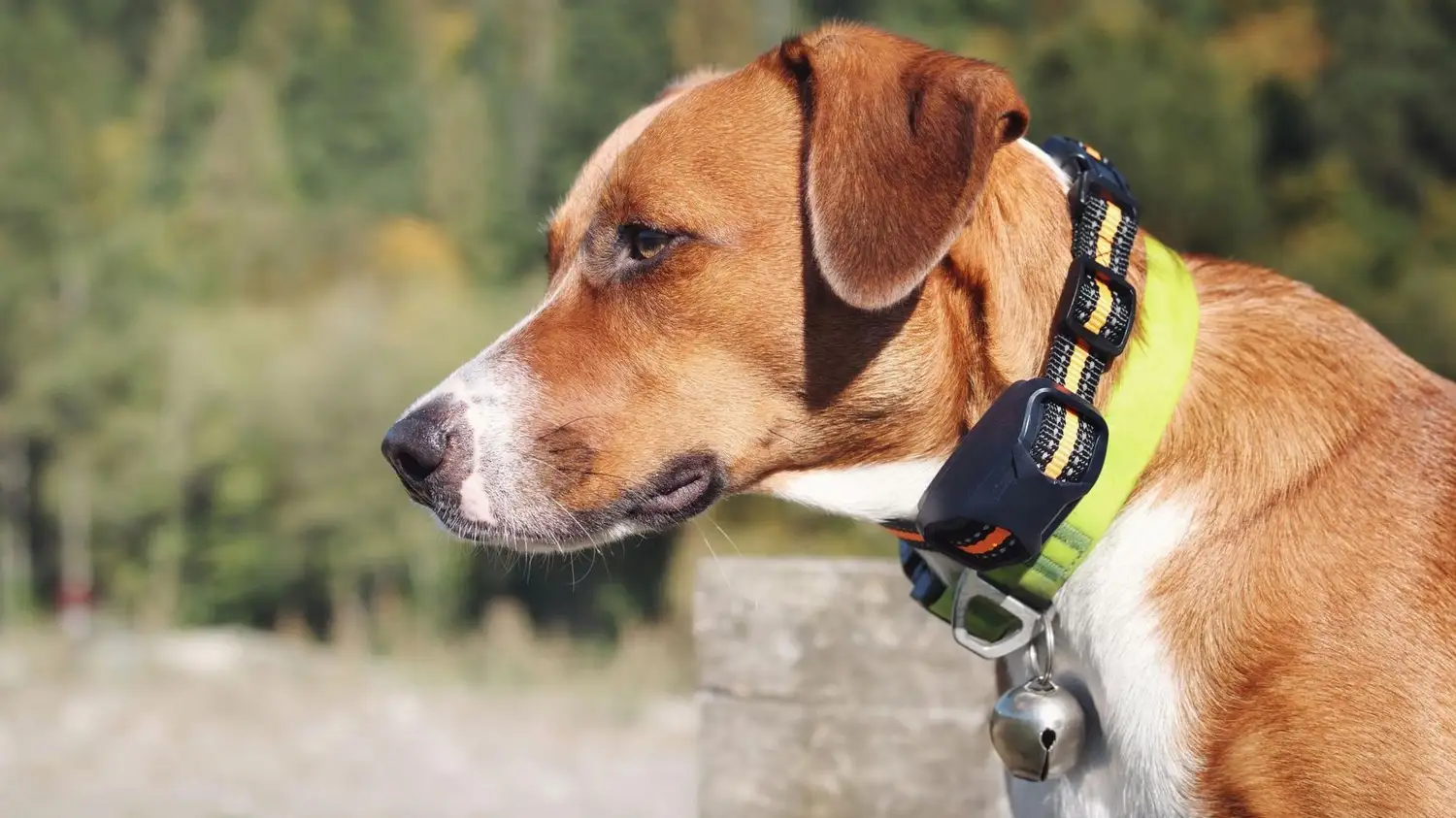
The Department of Environment, Agriculture and Rural Affairs (Daera) has announced a series of animal welfare reforms for Northern Ireland, including proposed bans on certain training collars and new licensing requirements for doggy daycare and home boarding services. Environment Minister Andrew Muir said he hopes the measures will be in place before the next assembly election in May.
The collar proposals would prohibit handheld remote-controlled electronic shock collars, choke collars without a stop mechanism, and prong collars on cats and dogs. According to a Daera consultation, 50.4% of respondents supported banning e-collars, 52.9% backed a ban on choke collars, and 54.4% supported banning prong collars. Daera said the responses were closely divided but were considered alongside scientific and veterinary evidence, legal advice, impact assessments and enforcement considerations. The department cited potential pain, fear, anxiety, stress, physical injury and adverse behavioural effects as arguments for banning the devices.
Alice Palombo of Cats Protection said the charity strongly supports the ban and also backs a ban on other training collars, even though they are not used on cats.
The reforms also include mandatory microchipping of dogs by eight weeks old. Owners must update the animal's records within 21 days of a change in ownership or keeper details. If the keeper is also the breeder, that must be confirmed.
The proposed licensing of doggy daycare and home boarding establishments is being handled through a separate review of existing animal boarding legislation, not the training collar consultation. Daera said it has contacted more than 150 existing boarding licence holders and the NI Companion Animal Welfare Group as part of the review, which began in early November and runs until 7 December. Muir said licensing would give users of such facilities confidence that they are properly licensed.
Sue McKee, who runs Doggos Doggy Day Care in Dromore, County Down, said she welcomes sensible regulations but hopes the cost of any licence will not have a knock-on effect on small businesses. She added that businesses which do not prioritise dog welfare have no place in the industry.
Siobhan McHaffie of the USPCA said the detail of the reforms will be crucial. She said while there are some excellent doggy daycare facilities in Northern Ireland, she has heard troubling reports, including from a woman who left her dog overnight and found it shaking and hiding the next day, wearing a shock collar. According to McHaffie, the provider said she routinely used such collars to stop dogs barking. McHaffie welcomed the licensing but stressed the need for consultation beforehand.
On the timeline, a Daera spokesperson said implementation is subject to completion of necessary steps, but the department is actively progressing the legislation with the objective of completing it before the end of the mandate.
Muir also said he hopes Lucy's Law, which will ban the third-party sale and supply of puppies and the sale of kittens, will be passed by Stormont in January and come into force in April 2027. He confirmed that proposals to strengthen regulation of dog breeding establishments will soon be published for consultation. Daera said further work on mandatory cat microchipping and regulation of rescue and rehoming organisations will consider consultation feedback.
The rules on electronic, choke and prong collars differ across the UK. Wales has banned e-collars outright, and choke and prong collars are not acceptable under government codes of practice for dog welfare. Scotland has not banned any of the collars, but misuse can breach animal welfare laws. England attempted to ban e-collars in 2018, but all three collars remain legal if used within animal welfare laws.