Stormont review finds assembly breached policies over free EV chargers for MLAs
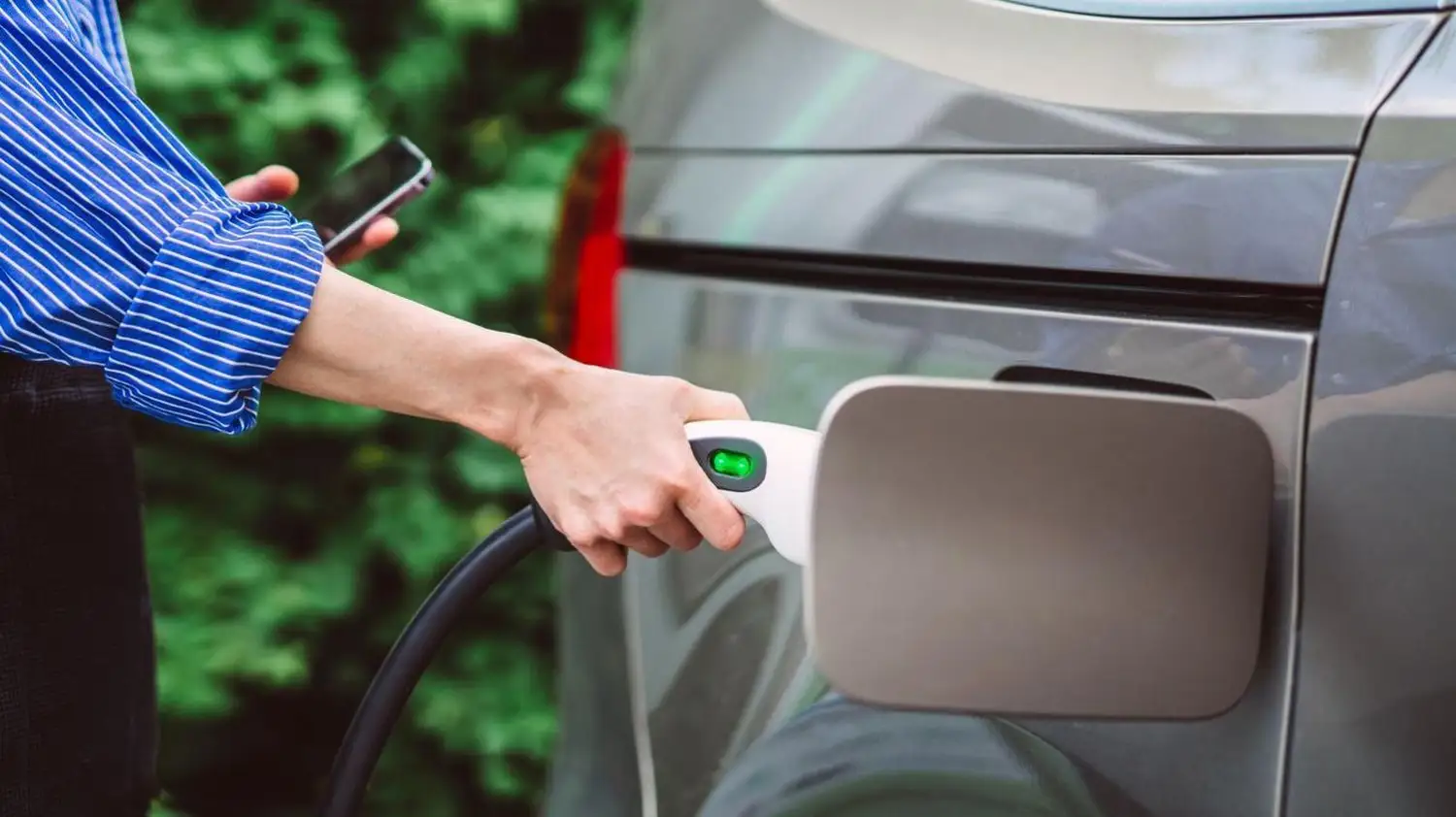
An internal review has found that the Northern Ireland Assembly breached its own policies in its handling of free electric vehicle charging for MLAs, but concluded that actions were not taken in bad faith.
The review was commissioned after an investigation revealed that some MLAs were using chargers at Parliament Buildings while also claiming travel expenses, all within existing rules. The chargers, located in an upper car park not accessible to the public, have been suspended since June after parties tasked officials with introducing a payment system.
The report, running to more than 70 pages, was conducted by senior official Robin Ramsey. It found there was no active decision to provide free chargers when some were first installed in 2015, but the system was not reviewed as facilities developed, and the reputational implications of having two different payment arrangements did not appear to have been considered.
The review also examined changes to data retention, which meant records of who had booked the chargers were not kept for longer periods. The data retention period was reduced from 90 days to seven days on 12 May, three days after a Freedom of Information request was submitted seeking the details. An FoI response was issued on 18 May saying the information was not held. Ramsey found the initial response was not in compliance with FoI legislation, but said the data retention change was not motivated by FoI requests and there was no evidence of bad faith or improper motive. The decision originated in October and December 2025 based on data protection considerations, with implementation delayed due to misunderstandings and miscommunications. However, the report found no formal request was submitted to make the change in line with Stormont policies.
The review also highlighted inconsistencies over changes enabling all-day bookings, meaning the booking system technically appeared to have been in contravention of other assembly policies over the last two years. Ramsey said issues arose from multiple decisions, assumptions and flaws in process rather than one major failure.
The Assembly Commission, made up of MLAs from the five main parties, discussed EV charging arrangements on several occasions, but Ramsey said MLAs had no role in the decisions. A copy of the review was obtained through an FoI request, with some sections redacted on data protection grounds.
In an internal email, assembly chief executive Lesley Hogg said she had accepted the review's findings. She said the scheme was originally created on the basis of sound environmental objectives and reflected the circumstances and wider schemes at the time, but the review identified that it should have been reviewed as the broader policy landscape evolved. A new policy requiring MLAs to pay to charge their vehicles is due to begin in the coming weeks.