School meal prices to rise as Education Authority approves £20m in savings
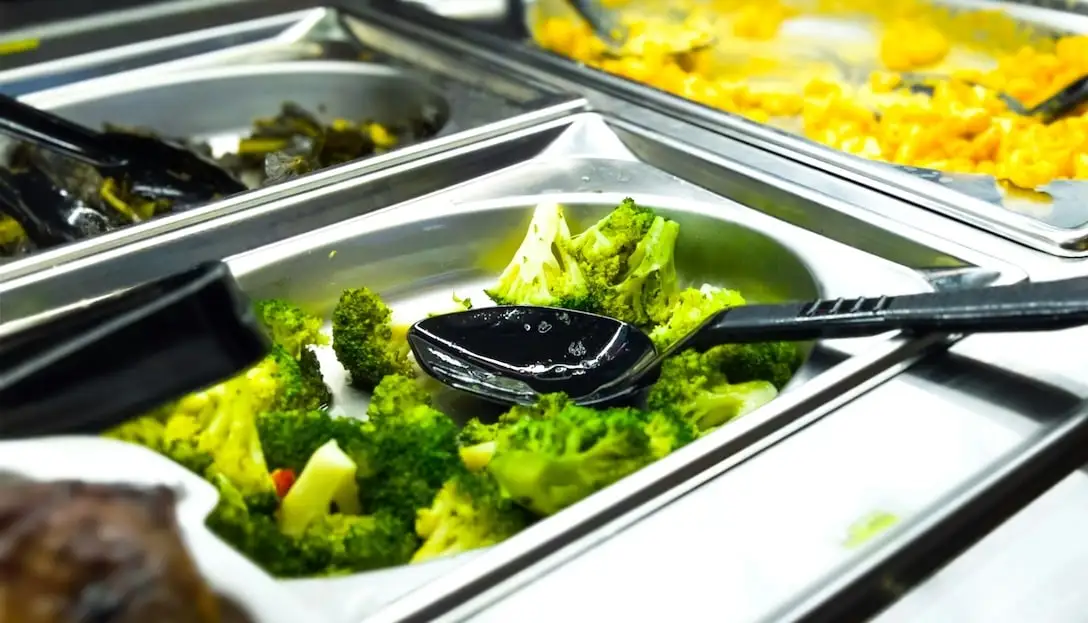
Paid school meal prices will rise from January 2027 after the Education Authority Board approved a further £20m in savings, bringing its total savings for the year to approximately £50m.
The price of a paid meal for primary, pre-school and special school pupils will increase by 30p, bringing the cost to £3.40 for primary and special school pupils and £3.30 for nursery and pre-school children. In post-primary schools, where meals are provided on a cafeteria basis, individual food prices will rise by 15 per cent. Free school meal provision will not be affected, and the allowance will increase to reflect the new prices.
The authority said the revised charges remain below the current average cost of producing a school meal, which is £5.28. Traditional baked desserts in primary, pre-school and special school settings will be replaced with dairy and fruit-based options.
Home-to-school transport will also change. Parental payments will be prioritised for new provision instead of commissioning taxi services. Existing taxi arrangements will remain in place. The authority said its annual taxi expenditure more than doubled in five years, from £19.4m in 2020-21 to almost £39.8m in 2024-25, which it attributed to an increase in children with special educational needs and inflationary costs.
The Music Service will introduce a revised charging model based on pupil participation, and free transport for students attending group ensemble activities will be withdrawn in some areas. Schools will also see a significant reduction in the amount they can spend on goods and services without prior approval, with only essential items permitted.
Additional contingency and programme funding will no longer be available, and schools will be required to close programmes that were previously funded to support activities beyond their core statutory requirements. The authority is also seeking additional funding from the Department of Agriculture, Environment and Rural Affairs to help maintain its contribution to the School Milk Subsidy Scheme, which operates in around 500 schools.
The authority said around 83 per cent of its budget is spent on staffing, mostly school staff, with most remaining costs fixed or committed to statutory and essential services. It described the decisions as difficult and said they sought to balance its commitment to children and young people with the requirement to live within the allocated funding.
Despite the savings package, the authority projects a funding shortfall of more than £100m, depending on the final allocated budget, which it said will continue to put increased pressure on services for the remainder of the financial year.
The measures remain subject to implementation assessments, equality and rural-needs screening, consultation where required, legal review and confirmation that they can be delivered.