Mineral deficiencies impeding lamb growth on Northern Ireland farms
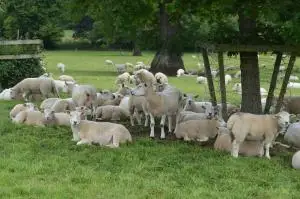
Many lambs in Northern Ireland are not reaching their growth potential due to trace element deficiencies in grazed grass, according to a College of Agriculture, Food and Rural Enterprise (CAFRE) adviser.
Jack Friar said that while farmers often concentrate on grass availability, parasite control and genetics, mineral shortages can quietly reduce lamb performance. Cobalt, selenium, copper and iodine are among the elements essential for metabolic function, immunity and growth.
Under good grazing conditions, lambs should typically achieve a daily liveweight gain of 200 to 250 grams during summer. However, where cobalt levels are insufficient, growth rates may decline by 10 to 15 percent, significantly delaying finishing. Younger lambs are especially vulnerable because their rumen function is still developing.
Selenium deficiency can increase the risk of conditions such as white muscle disease and lead to reduced growth and poorer health. Copper shortages may cause slower weight gain, poor fleece quality and loss of wool pigmentation. Copper absorption is complicated by interactions with other minerals like molybdenum, sulphur and iron, requiring careful management.
The mineral content of grass is influenced by soil type, fertiliser use and seasonal conditions. Many areas of Northern Ireland have soils naturally low in cobalt and selenium. Even where grassland produces 10 to 14 tonnes of dry matter per hectare annually, mineral deficiencies can depress feed conversion efficiency. Lambs gaining 250 grams per day might need 4 to 5 kilograms of dry matter per kilogram of gain, while slower-growing lambs require 6 to 7 kilograms.
Mr Friar said that investigating mineral status is important when lamb growth rates fall below 200 grams per day, lambs fail to finish despite adequate grass, or groups show uneven thrift. Monitoring methods include blood sampling, liver sampling and forage analysis.
Small reductions in growth have financial consequences. If a deficiency trims liveweight gain by 30 grams per day over a 100-day grazing period, lambs may finish around 3 kilograms lighter. Most processors in Northern Ireland target a carcass weight of 20 to 21 kilograms at fat class 3, which typically requires a liveweight of 42 to 48 kilograms.
Addressing mineral shortages early can help lambs reach their full potential and improve flock profitability, Mr Friar added.